
01
Room-side glass
Warm indoor air reaches a glass surface colder than its dew point. Indoor humidity, airflow and glass temperature all matter.
WINDOWS DIRECT UNIVERSITY
Condensation is a symptom, not a single diagnosis. Moisture on the room side, outside surface, between panes, or around the frame points toward different causes—and different next steps.
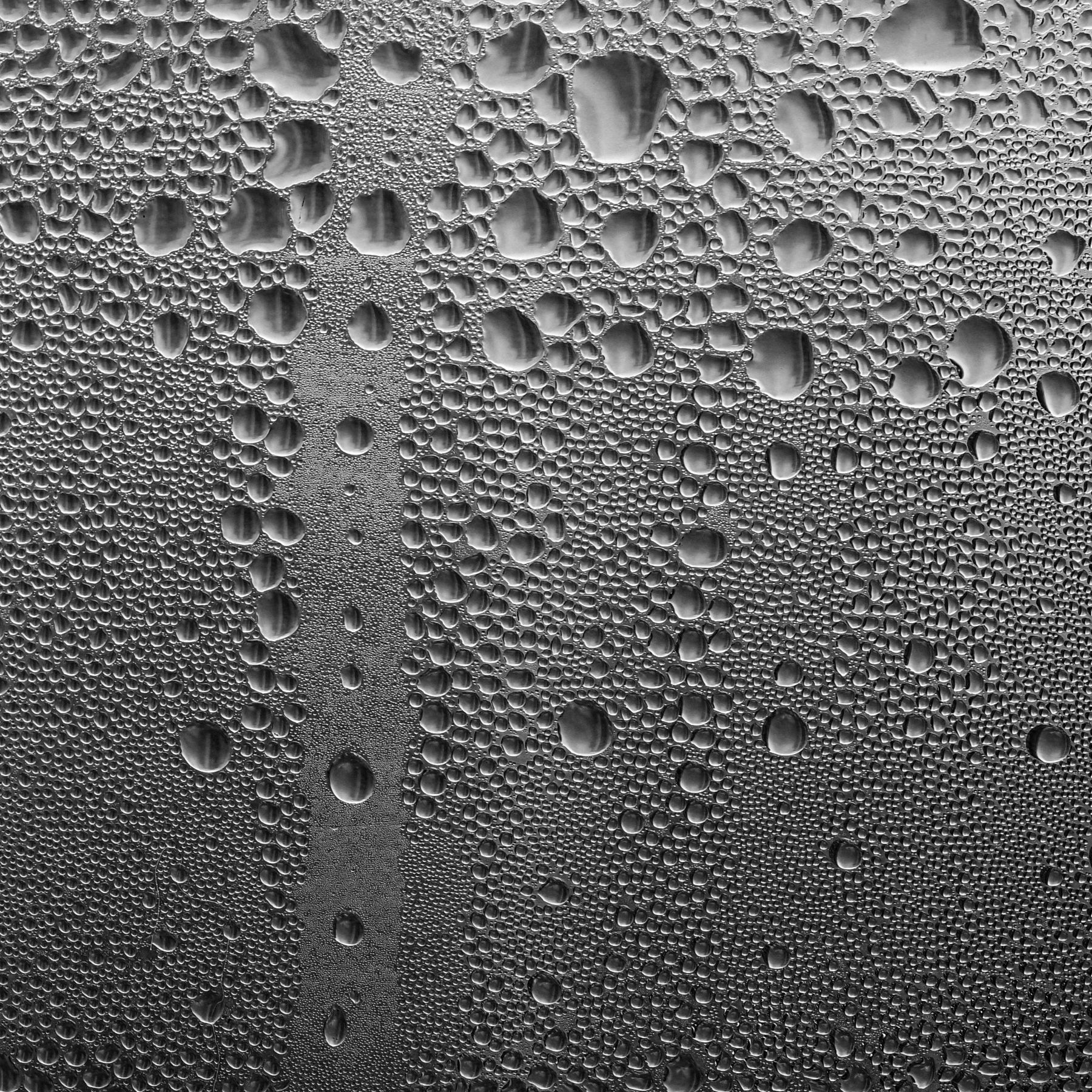
The glass assembly, indoor air, outdoor air and wall opening can each create moisture in a different place.
Warm indoor air reaches a glass surface colder than its dew point. Indoor humidity, airflow and glass temperature all matter.
Outdoor air can condense on cool exterior glass during humid conditions. This can occur even when an efficient window is performing normally.
Cloudiness or moisture sealed between insulating-glass panes commonly indicates the glazing seal can no longer keep the cavity dry.
Water staining, damp trim or moisture after wind-driven rain may involve drainage, flashing, sealant, cladding or hidden wall conditions.
Water forms when the interior glass temperature falls below the dew point of the air touching it. Colder weather, higher indoor humidity, restricted airflow and lower-performing glass can make the condition more likely.
A better window can keep the interior surface warmer and resist condensation, but no window can guarantee a dry interior surface at every outdoor temperature and indoor humidity level.
On warm, humid days, the exterior surface may cool below the outdoor dew point. Shade, clear night skies and indoor cooling can contribute. If moisture is only on the accessible outside surface and clears as conditions change, it is different from moisture trapped inside the glass unit.
Safely determine whether the moisture can be touched or wiped from the exterior. Never lean through an opening or use unsafe access to perform this check.
Insulating glass uses spacers and sealants to maintain the space between panes. When haze, droplets or mineral-looking residue is trapped there, cleaning the room-side and exterior surfaces will not remove it.
Moisture appearing during or after rain—especially with staining, swelling, softened finishes or damp wall materials—deserves a broader investigation than the glass alone.
Note wind direction, rain intensity, duration and how long after the storm moisture becomes visible.
Water can travel inside assemblies before it appears. The wet spot may not be the entry point.
Photograph before cleanup, limit damage safely and avoid covering the condition before qualified evaluation.
Not by itself. Interior condensation reflects the relationship between surface temperature and indoor moisture. Product performance, installation, airflow and humidity should be considered together.
Not necessarily. Exterior condensation can occur when the outer glass surface is colder than humid outdoor air and often clears as weather conditions change.
No. If moisture is truly inside a sealed insulating-glass cavity, neither accessible surface can be cleaned to remove it.
Promptly investigate recurring moisture, active rain entry, damaged finishes, mold-like growth, softened materials or water reaching electrical components.
This guide helps organize observations; it does not replace project-specific inspection or moisture diagnosis.
Start with location and timing, preserve the evidence, and match the remedy to the actual moisture source.